When should you shock a residential pool during the peak swim season?
Clear triggers for shocking a pool in heavy-use summer months and how to do it without ruining the day.
Shock after heavy bather loads, storms, or a chlorine lock where combined chloramines climb, and whenever the water turns dull or smells strongly of chlorine. In peak summer, a routine weekly or biweekly shock helps. Do it at dusk so sunlight does not burn off the dose before it works.
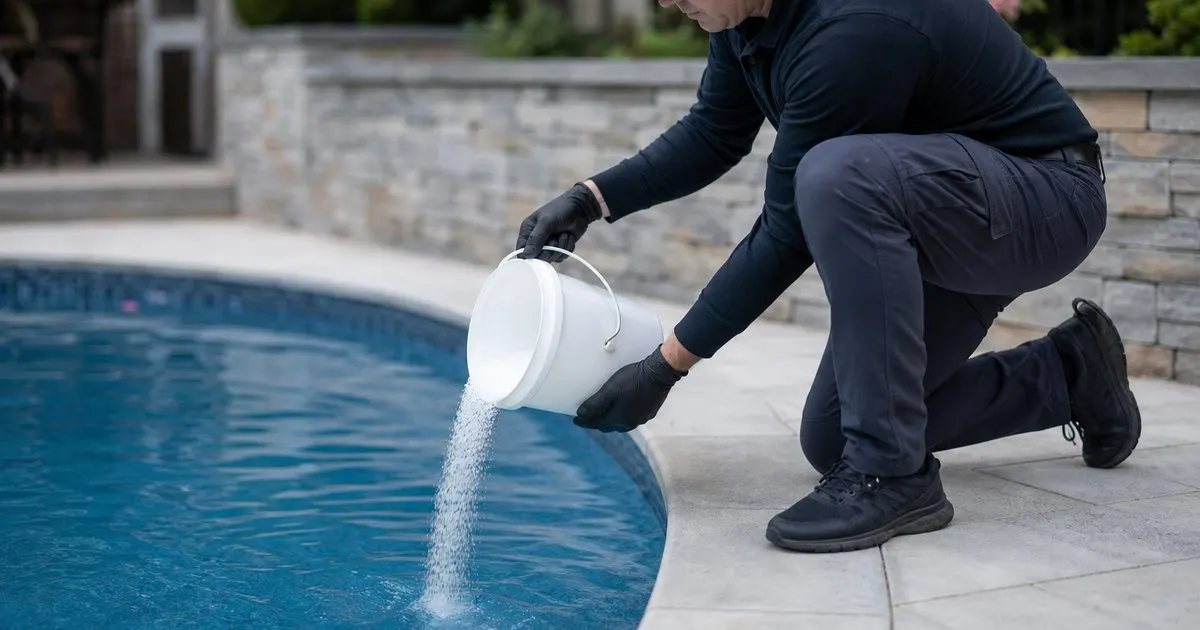
After heavy use or a big event
Peak season means heavy bather loads, and people bring in sweat, sunscreen, and organic matter that overwhelm normal chlorine. After a busy pool party or a weekend of constant swimming, shocking restores sanitizer and clears the contaminants that a routine dose cannot keep up with. Related: Why does free chlorine keep dropping between weekly pool service visits?
Think of shocking as a reset after a spike in demand. The regular chlorine level handles ordinary use, but a surge of swimmers calls for a stronger, temporary boost to catch back up.
Keep reading: How do you balance pool water chemistry on a weekly service route?, What is the best way to log chemical readings at every pool stop?, Why does free chlorine keep dropping between weekly pool service visits?. See how PoolTendr helps you pool service route scheduling and chemical logs.
When combined chlorine climbs
That sharp chlorine smell and stinging eyes at a busy pool are not too much chlorine, they are chloramines, the combined chlorine left after sanitizer reacts with contaminants. When combined chlorine rises, the water needs breakpoint shocking to burn those compounds away and bring back clean, effective sanitizer. Related: What is the best way to log chemical readings at every pool stop?
This is why testing matters more than nose and eyes. A pool that smells strongly of chlorine often needs more oxidizer, not less, and only a reading of combined chlorine tells you it is time to shock.
After rain, algae, or cloudiness
Heavy rain dilutes chemistry and washes in contaminants, and warm summer water is prime for algae. At the first sign of green tint, cloudiness, or a storm dumping debris, shocking early stops a minor issue from becoming a full bloom that closes the pool for days. Related: How do you balance pool water chemistry on a weekly service route?
Speed is everything with algae in peak heat. A pool can go from a faint tint to fully green overnight when it is warm, so shocking at the first hint is far easier than clearing an established bloom.
Time it so the pool is usable
Shock at dusk or after the pool closes for the day. Sunlight burns off the high chlorine you just added, and swimmers need to wait until levels drop back to a safe range. An evening shock lets the treatment work overnight and have the pool ready by morning.
PoolTendr logs your chlorine and combined chlorine readings on each pool, so you can see when a pool is trending toward a shock and record when you did it, keeping the whole route ahead of algae during the busy months. Related: Which chemicals should a pool technician carry on a daily service route?
- Shock after heavy use or a big pool event.
- Shock when combined chlorine and chloramines climb.
- Shock early at the first sign of rain, algae, or cloudiness.
- Shock in the evening so the pool is usable by morning.

Julien Jimenez
Julien Jimenez is an independent software builder based in Paris. He designs, ships, and operates focused SaaS products for small businesses and independent professionals. Read the full author page.
Frequently asked questions
Why shock at night instead of during the day?
Sunlight rapidly breaks down unstabilized chlorine, so a daytime shock loses much of its punch before it can oxidize contaminants. Shocking at dusk gives the chlorine all night to work.
How long before swimmers can return after shocking?
Wait until free chlorine falls back to a safe swimming range, typically the next day, and always retest before letting anyone in. Times vary with the dose and the pool.
Every Pool, Every Reading, On Route
Pool service route scheduling and chemical logs. PoolTendr is built to help you put this into practice.
Start free trialMore from the PoolTendr blog
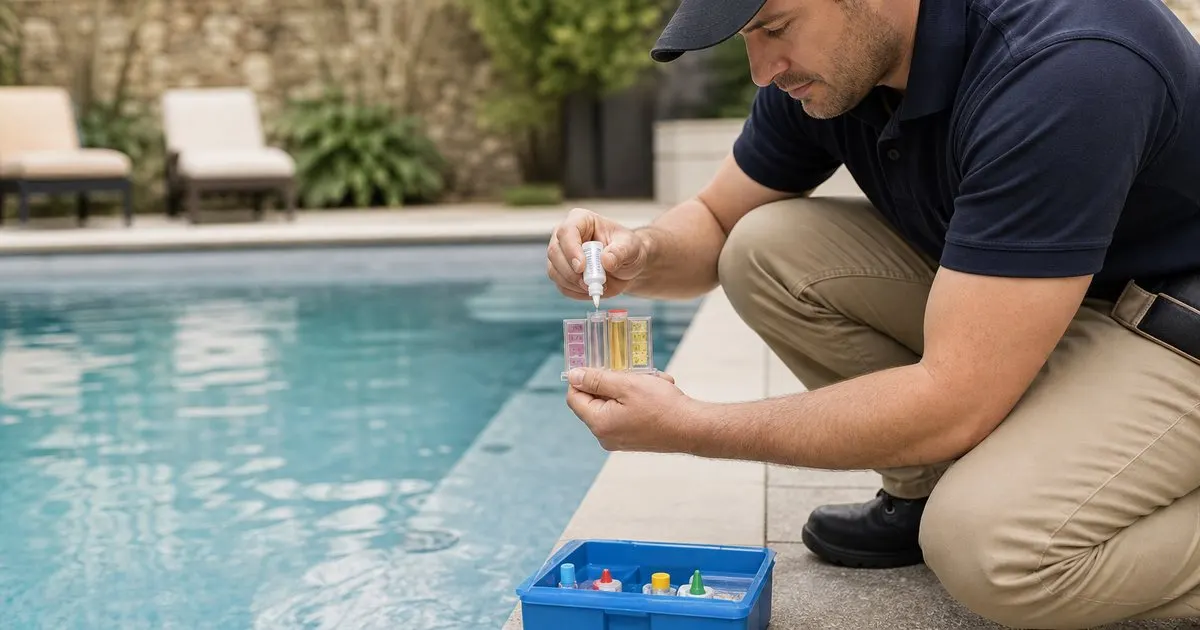
How do you balance pool water chemistry on a weekly service route?
What is the best way to log chemical readings at every pool stop?
Why does free chlorine keep dropping between weekly pool service visits?
Get the PoolTendr playbook
Practical guides on pool service software, straight to your inbox as we publish them. No spam, unsubscribe any time.