Pool Service Software
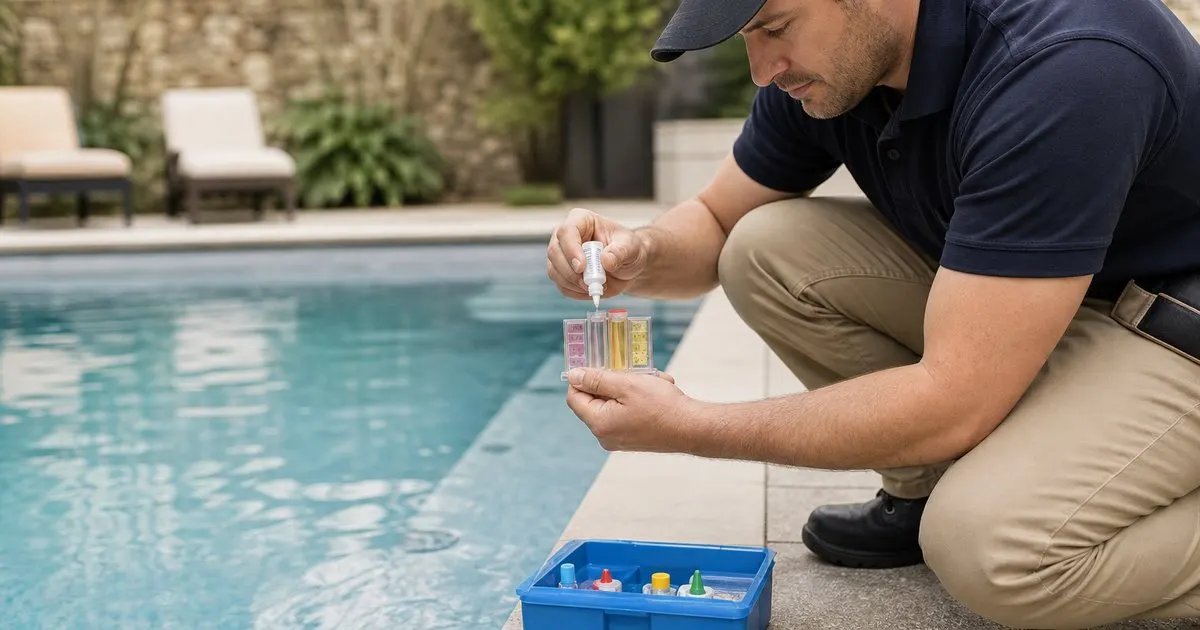
How do you balance pool water chemistry on a weekly service route?
A repeatable routine for testing, dosing, and recording so every pool on your route stays balanced.
Practical, honest advice from the team behind PoolTendr, written to help you do this well.
A repeatable routine for testing, dosing, and recording so every pool on your route stays balanced.

How to record water readings and dosing fast so your history is accurate and your customers have proof.

The common reasons chlorine disappears between visits and how to keep a residual holding all week.
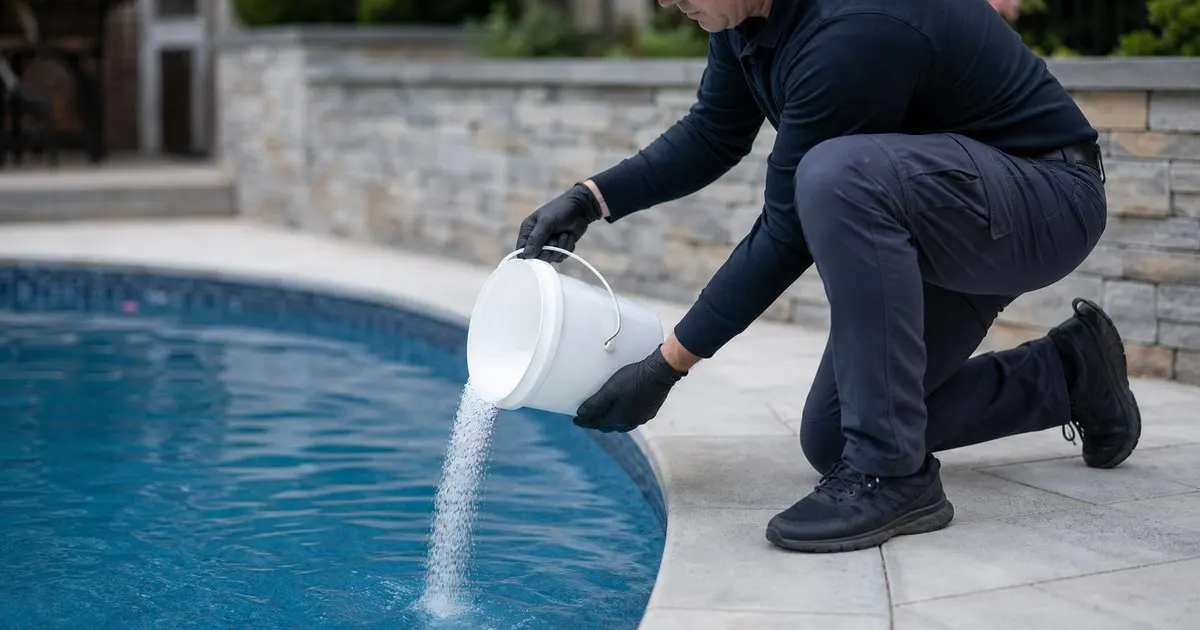
Clear triggers for shocking a pool in heavy-use summer months and how to do it without ruining the day.
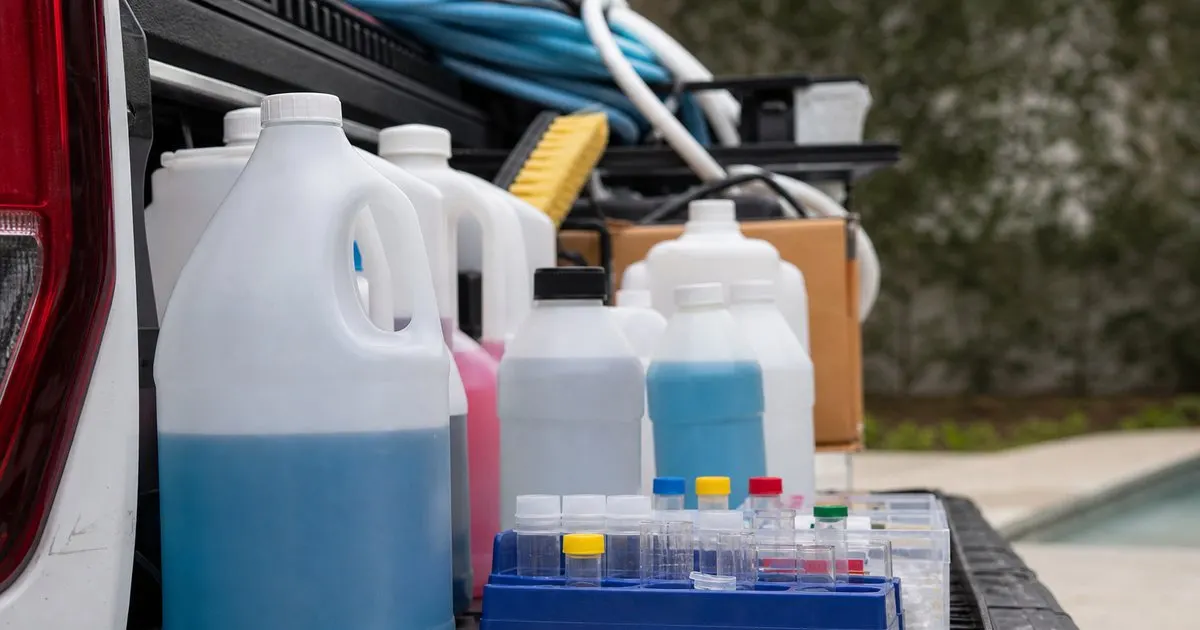
A practical loadout of the sanitizers and balancers a route tech needs to handle most pools in a day.
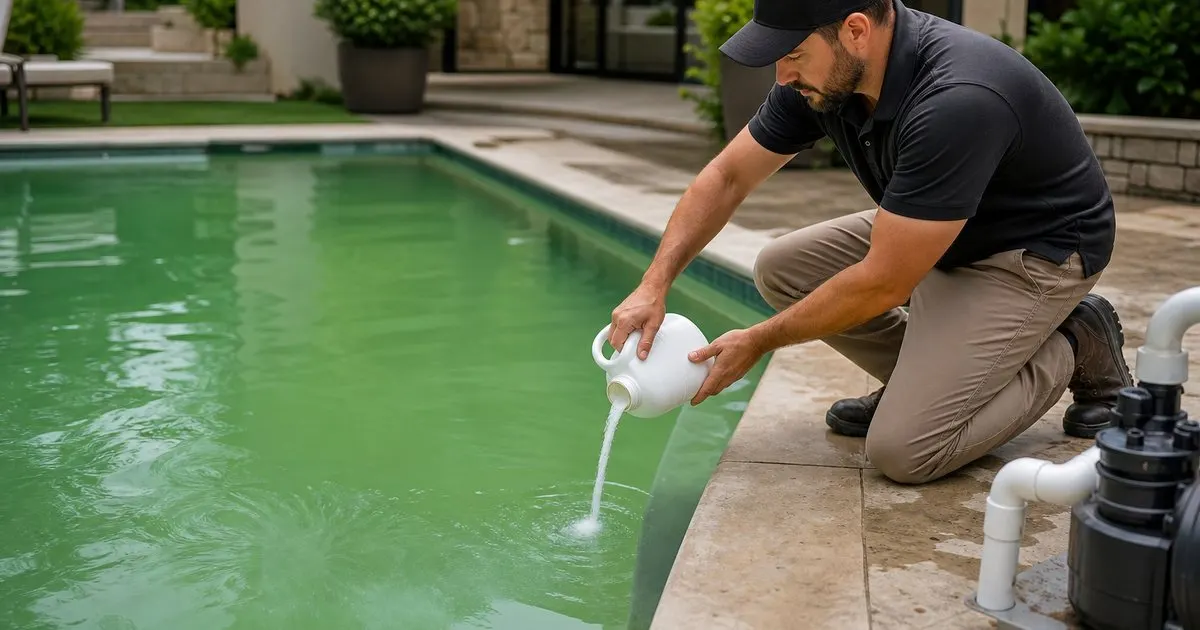
A grounded explanation of shocking a green pool by severity, stabilizer, and why testing beats guessing.
A diagnostic checklist for sudden cloudiness so you fix the cause instead of chasing the symptom.

How to cluster pools, set service days, and cut windshield time as your account list grows.
The records worth keeping per pool so you can prove service, spot trends, and defend your work.
A practical ramp-up plan for turning a new hire into a tech you can trust on a solo route, from ride-alongs to the first supervised week.
Salt pools still need chlorine management, they just make it differently. Here is what to test, what to adjust, and what to check on the cell every week.
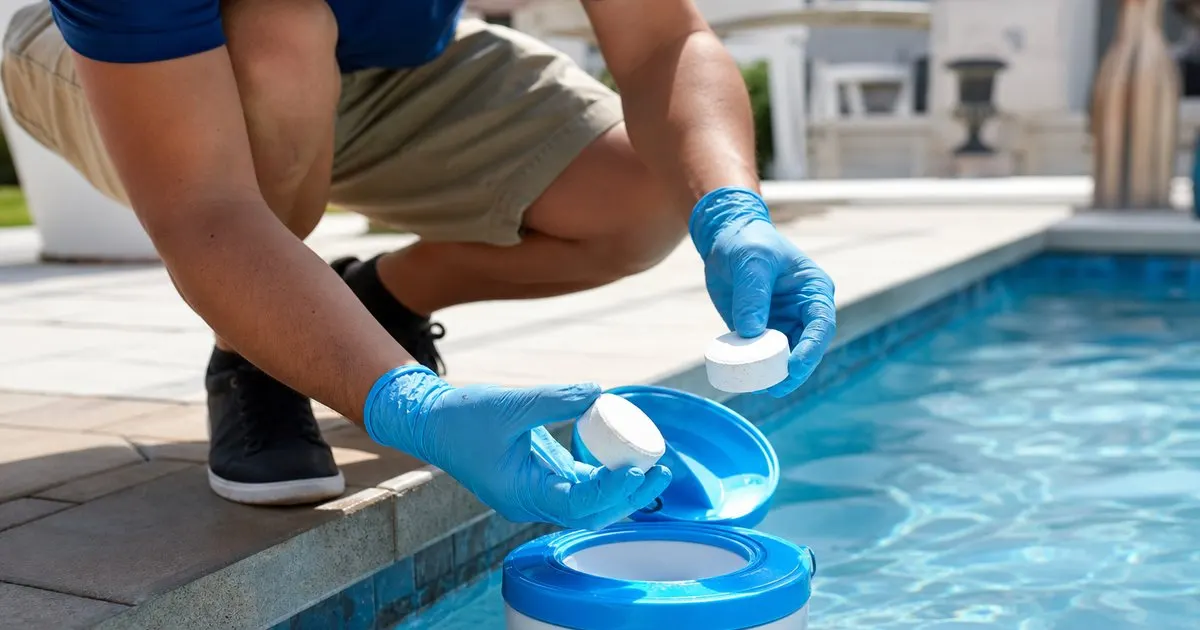
Every trichlor tablet adds stabilizer that never leaves on its own. Here is the chemistry, what high CYA does to your chlorine, and how to manage it on a route.
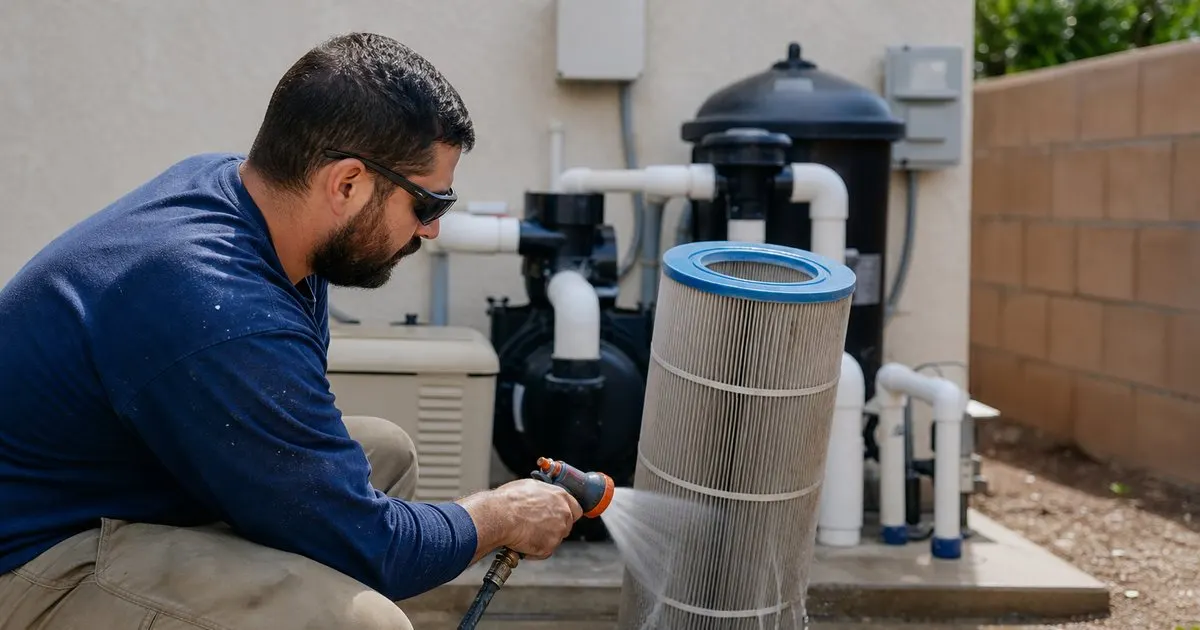
Pressure gauges, pleat condition, and cleaning history all tell you whether a cartridge has another season left. Here is how to decide on the pad.

Growing past your capacity is a good problem until it wrecks your service quality. Here is a fair, numbers-based way to decide who stays.
There is no national right price, but there is a right method. Here is how to build a weekly rate from your real costs and route density.
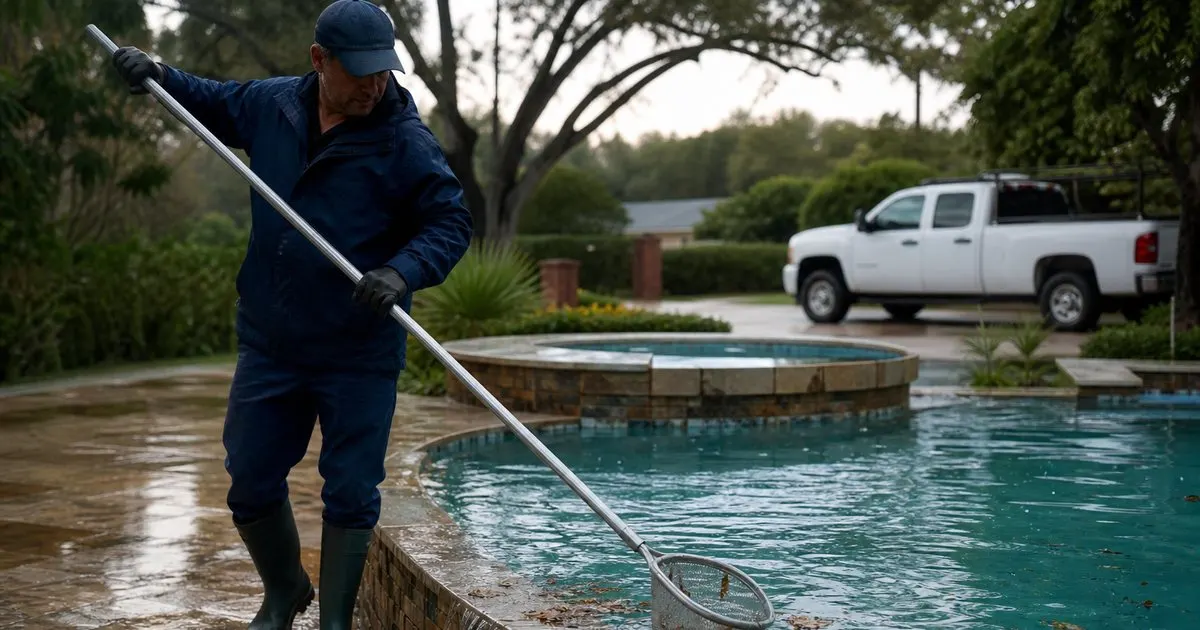
Heavy rain dilutes chemistry, overflows skimmers, and fills pools with debris all at once. Here is how to triage a route the morning after.

A report that gets read builds trust and prevents callbacks. Here is what to put in, what to leave out, and how to keep it to a thirty-second read.
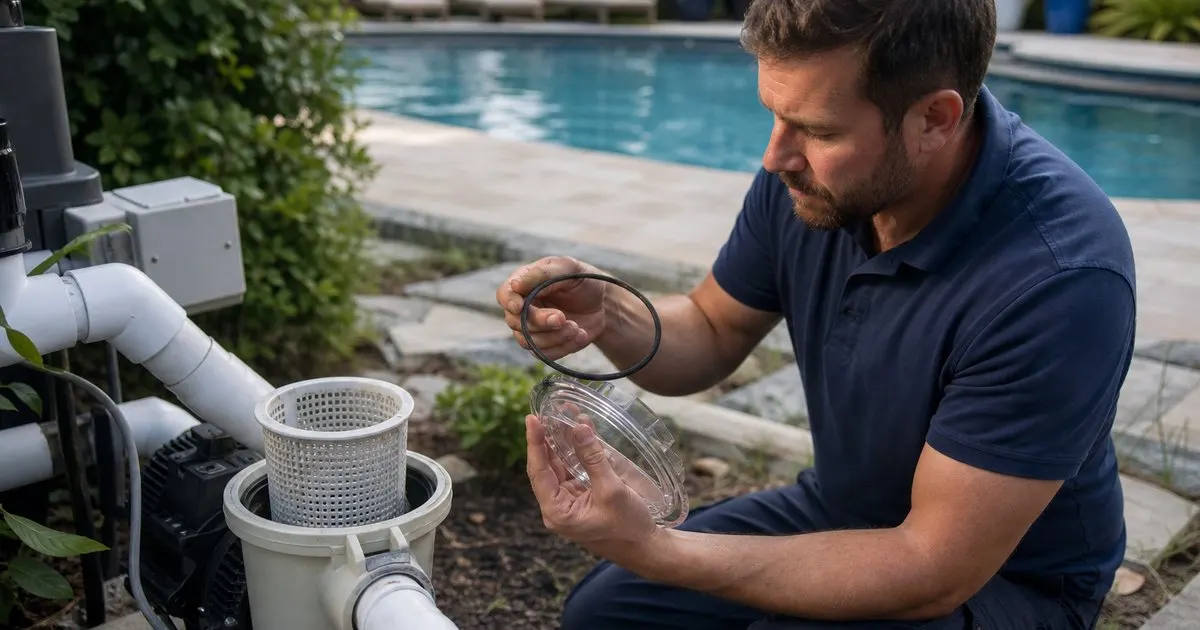
A pump that is dry every Monday points to an air leak, a water level problem, or a failing part. Here is a step-by-step way to find which one on a single stop.
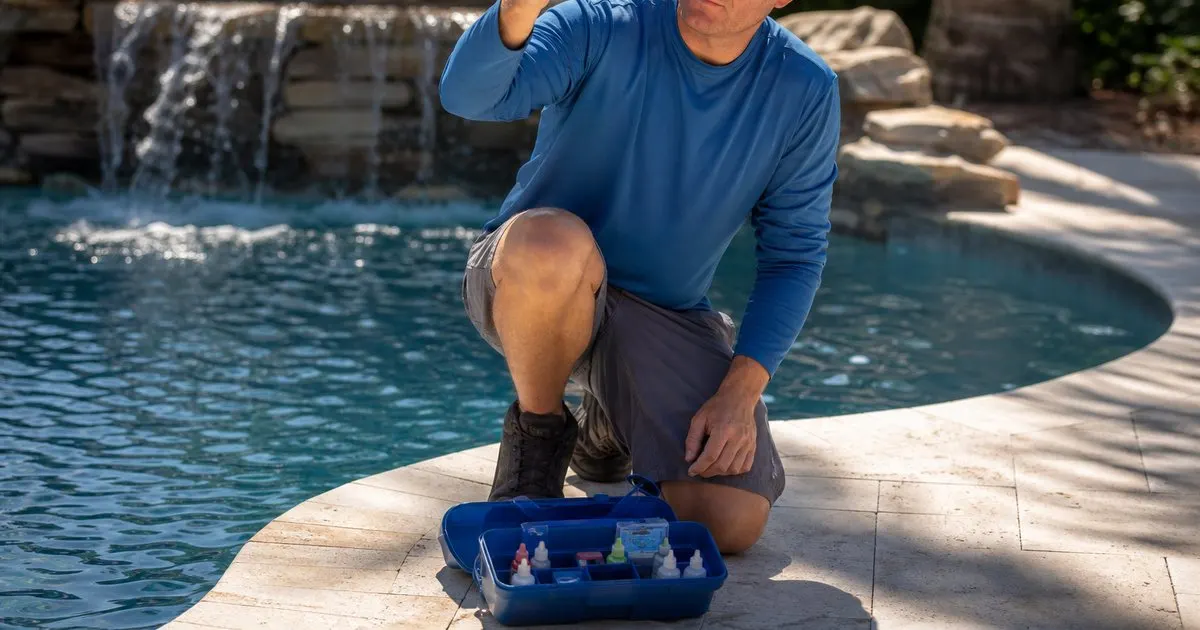
A pool that tests high on pH week after week is usually telling you something about alkalinity, aeration and equipment, not about your dosing. Here is how to find the real driver and stop repeating the same correction.

Autopay is an onboarding and wording problem far more than a payments problem. Here is how small pool companies move an existing book onto automatic billing without losing good accounts.