What service history should you keep for every pool you maintain each season?
The records worth keeping per pool so you can prove service, spot trends, and defend your work.
Keep dated water readings, products and amounts added, and any equipment issues or repairs for each pool. Note recurring problems, filter cleanings, and customer requests. This record proves your service, reveals trends like seasonal chlorine demand, and lets you defend your work if a customer questions the water later.
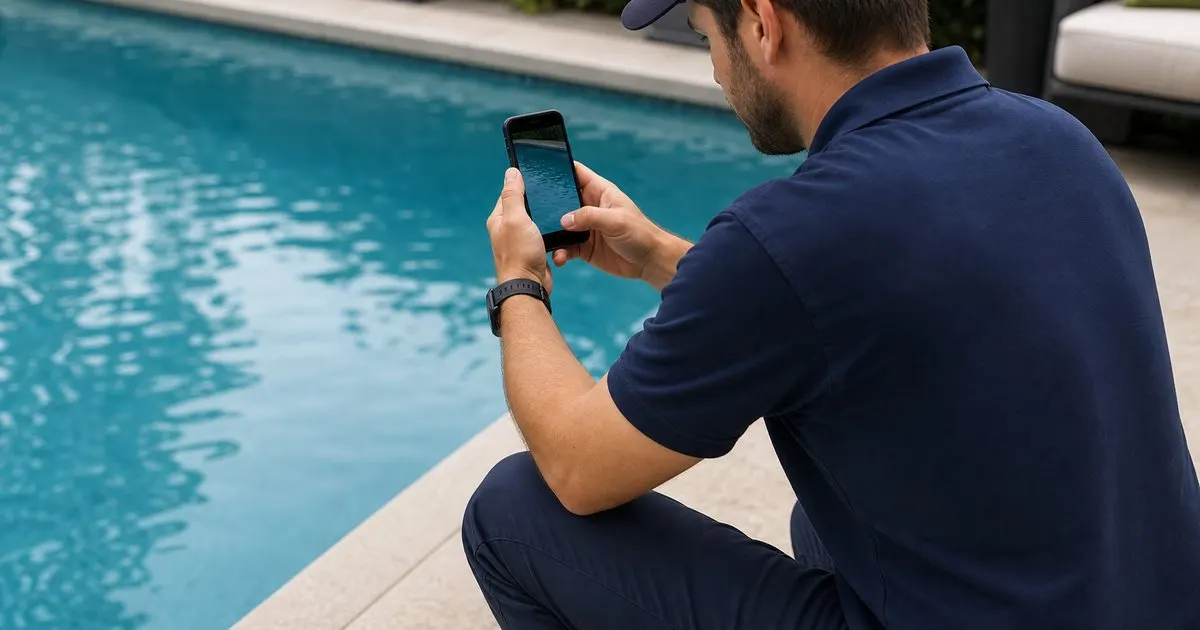
Every visit's readings and doses
The core of a pool's history is a record of each visit: the date, the water readings you took, and the chemicals you added. Over a season this builds a chart of how the pool behaves, which is the difference between reacting to problems and anticipating them. Related: What is the best way to log chemical readings at every pool stop?
This record is also your proof of service. When a customer questions whether you really came or really balanced the water, a season of readings on their pool answers the question without an argument. Related: How do you balance pool water chemistry on a weekly service route?
Keep reading: How do you balance pool water chemistry on a weekly service route?, What is the best way to log chemical readings at every pool stop?, Why does free chlorine keep dropping between weekly pool service visits?. See how PoolTendr helps you pool service route scheduling and chemical logs.
Photos of the finished water
A photo of clear water at the end of a visit is worth a paragraph of notes. It shows the customer the result they are paying for and timestamps the pool's condition when you left. Over a season, photos also document that a pool was clear before a problem the customer only noticed later. Related: When should you shock a residential pool during the peak swim season?
Photos protect both sides. If a customer claims the pool was green when you supposedly serviced it, a clear photo from that day settles it, and if it truly was green, the photo shows you flagged it.
Equipment and repair notes
Beyond chemistry, keep notes on the pool's equipment: the pump, filter, and any repairs or issues you spotted. A filter you flagged as failing or a pump running loud is important context, and a record of when you reported it protects you when it eventually breaks. Related: Why does free chlorine keep dropping between weekly pool service visits?
This history also helps at renewal and handoff. A new tech covering the pool needs to know the equipment quirks, and the customer appreciates a service that remembers their aging heater is on its last season.
Keep it on the pool, not in a pile
The value of all this history depends on it being organized per pool, not buried in a stack of daily sheets. When everything about a pool lives on one timeline, any tech can understand it in a minute and the customer can see it whenever they ask.
PoolTendr keeps readings, doses, photos, and equipment notes on each pool's own timeline all season, so you carry a complete, shareable history that proves your work and helps you stay ahead of every pool's quirks.
- Log readings and doses for every single visit.
- Photograph the finished water as proof and record.
- Note equipment condition and repairs you flag.
- Keep it all on the pool's timeline, not in a pile.

Julien Jimenez
Julien Jimenez is an independent software builder based in Paris. He designs, ships, and operates focused SaaS products for small businesses and independent professionals. Read the full author page.
Frequently asked questions
How does history help with equipment problems?
A record of past readings and repairs lets you spot a failing pump, heater, or filter early by the pattern it leaves in the water. It also shows the customer you flagged an issue before it became costly.
Should history include customer communications?
Yes. Logging requests, approvals for repairs, and any complaints creates a clear trail that protects both sides and keeps every visit aligned with what the customer expects.
Every Pool, Every Reading, On Route
Pool service route scheduling and chemical logs. PoolTendr is built to help you put this into practice.
Start free trialMore from the PoolTendr blog
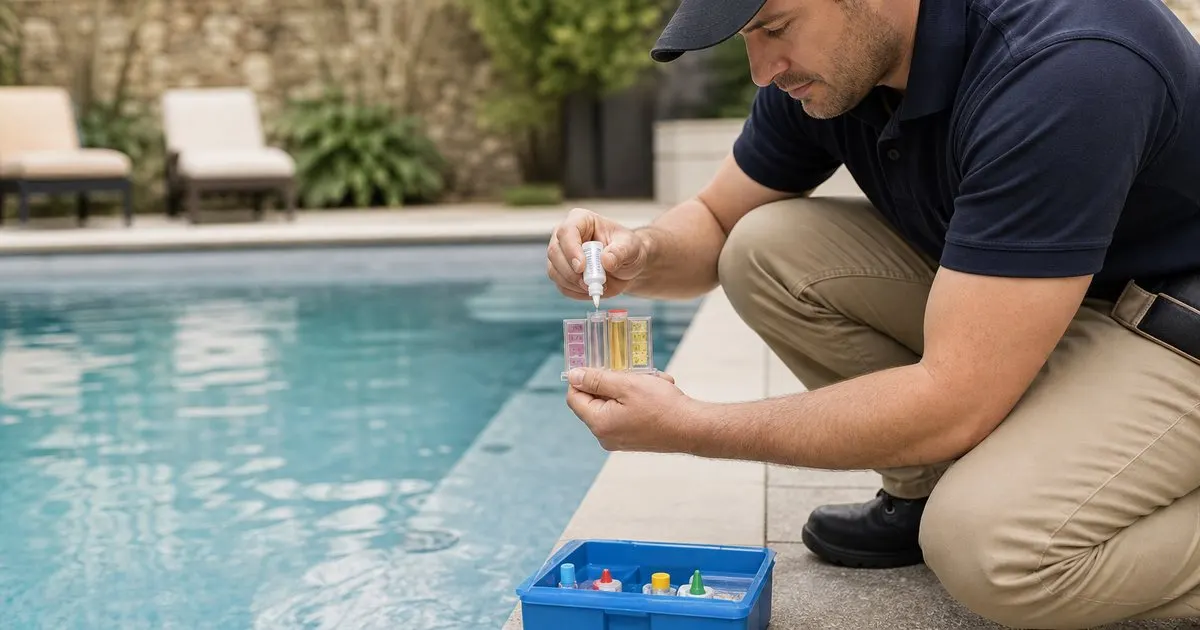
How do you balance pool water chemistry on a weekly service route?

What is the best way to log chemical readings at every pool stop?
Why does free chlorine keep dropping between weekly pool service visits?
Get the PoolTendr playbook
Practical guides on pool service software, straight to your inbox as we publish them. No spam, unsubscribe any time.